"Can I buy USDT in Hong Kong?" is one of the questions we hear most. The short answer: owning USDT (Tether) is not against the law, but the Stablecoins Ordinance (Cap. 656), in force since 1 August 2025, tightly limits who may sell stablecoins to you. USDT is not issued by a Hong Kong Monetary Authority (HKMA) licensee, so most local channels cannot offer it to retail customers.
This page explains what the law changed, which routes still exist and what each one risks. If you already hold USDT and want the rate or a way back to Hong Kong dollars, head to USDT to HKD.
What the Stablecoins Ordinance changed
The Ordinance works on two levels. On issuance, anyone issuing a fiat-referenced stablecoin in Hong Kong, or an HKD-referenced one anywhere, needs an HKMA licence. On distribution, only stablecoins from HKMA-licensed issuers may be offered to the Hong Kong retail public, and only by "permitted offerors": licensed issuers, SFC-licensed corporations and trading platforms, and authorised institutions (banks).
The government spelled out what that means for walk-in shops in a LegCo reply on 10 September 2025: virtual asset OTC shops are not permitted offerors and cannot offer specified stablecoins to retail or professional investors, regulated or not. The HKMA said it would monitor and follow up. Some shops stopped posting USDT prices; others were reported to have switched to private quotes.
- 1 Aug 2025Stablecoins Ordinance in force
Only licensed stablecoins may be offered to retail, and only by permitted offerors.
- 10 Sep 2025Government reply to LegCo
OTC shops are not permitted offerors and cannot offer stablecoins such as USDT.
- 3 Nov 2025SFC circular 25EC57
Licensed platforms may offer HKMA-licensed stablecoins to retail without a 12-month track record.
- 10 Apr 2026First issuer licences
HSBC and Anchorpoint (Standard Chartered, HKT, Animoca) licensed, both starting with HKD coins.
- 16 Sep 2026Policy Address
Government commits to promoting trading of licensed stablecoins on licensed platforms.
Buy USDT in Hong Kong: the routes compared
Here is how the common routes stack up on legality of the offer and local protection. "~" means conditional, or that we could not fully verify the point.
Licensed platforms: a narrow door for retail
Opening an account at an SFC-licensed platform does not automatically get you USDT. Tiger Brokers' official page lists USDT among coins for professional investors only; retail clients get BTC, ETH, SOL, AVAX and LINK. Victory Securities' fee schedule likewise marks USDT and USDC withdrawals as PI-only. Futu reportedly began accepting USDT deposits in May 2025 (secondary source). OSL published a guide to buying USDT with HKD in February 2026, and its OTC desk settles in USDT and USDC, but we could not confirm whether a standard retail account can buy USDT directly today.
The logic is consistent. What the SFC opened to retail in November 2025 was HKMA-licensed stablecoins, and USDT isn't one. Professional investor status starts at a HK$8 million portfolio for individuals. So if you are a regular retail client, check inside the app what your account type can actually trade before assuming USDT is on the menu.
Buying USDT offshore by card
In practice, many Hong Kong residents buy USDT on international exchanges with Visa, Mastercard or Apple Pay. CEX.IO is one example: founded in 2013, it does not list Hong Kong among its unsupported jurisdictions, and Hong Kong customers contract with CEX OVRS LLC in Nevis. Card purchases cost 0.49% to 4.99% plus a service charge, and new accounts are limited to US$1,000 a day for the first three months.
Three caveats. First, platforms like this are not SFC-licensed and are not permitted offerors under the Ordinance, so Hong Kong investor protection does not apply; as we read the rules, the restrictions fall on whoever offers the coin, but if something goes wrong you have no Hong Kong regulator to turn to. Second, settlement is in USD with no HKD or FPS, so your card issuer may add a foreign-currency fee or treat the purchase as a cash advance. Third, pick the right network when you withdraw.
P2P, FPS and frozen bank accounts
P2P (often called C2C) is the other well-worn path: you match with a merchant, send HKD by FPS, and the merchant releases USDT to you. The problem is that you have no idea where the counterparty's money came from. If funds you send or receive are linked to fraud, your bank can freeze your account; back in 2022, one Hong Kong user reported more than HK$200,000 frozen after selling USDT via C2C. Police have repeatedly said that lending, renting or selling a bank account to receive other people's money is money laundering.
AlipayHK and WeChat Pay have long banned crypto-related payments, so paying a P2P merchant through them can get your wallet closed. Among major offshore exchanges, OKX, Bybit and KuCoin already treat Hong Kong as a restricted location. See our full P2P guide.
Cash for USDT at shops: legal and physical risk
Swapping cash for USDT used to be the bread and butter of Hong Kong's crypto shops. As above, shops are not permitted offerors. The crime record is worth knowing too:
- May 2024, Tsim Sha Tsui: a customer sent about HK$1m in USDT and was handed "hell banknotes"; three shop staff were arrested.
- April 2025, Kwun Tong: a buyer took HK$1m in cash to an upstairs shop for USDT; the shop said the coins "had not arrived" and a third party walked off with the cash.
- June 2026: a man lost 1.6 million USDT (about HK$14m) to a fake OTC dealer.
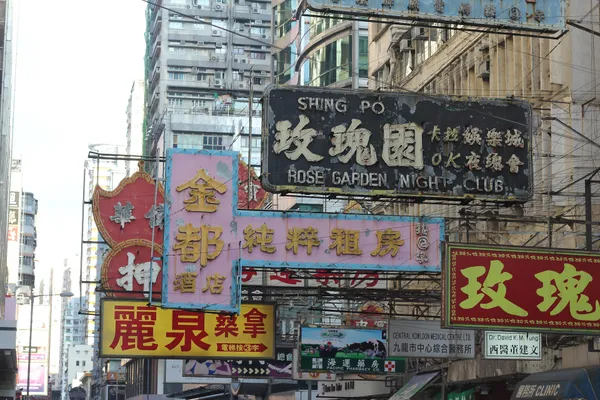
In December 2025 a crypto shop owner at 608 Nathan Road in Mong Kok was attacked by knife-wielding men at closing time, and Sheung Wan saw several large cash robberies linked to money changers within a few months. When the virtual asset dealer licensing regime arrives there will be no transitional period, and unlicensed shops will have to close.
A note for mainland visitors
Many mainland visitors ask about USDT when they come to Hong Kong. To be plain: the mainland has its own rules on foreign exchange and virtual assets, and we will not offer any way around them. In Hong Kong, licensed platforms require identity documents and usually proof of address, and anyone carrying more than HK$120,000 in cash or bearer instruments across the border must declare it to Customs. Victims of the recent large robberies were people carrying cash to trade, so keep any significant sum within regulated banking channels. What works for visitors is covered in our visitors' guide.
The Stablecoins Ordinance did not make owning USDT illegal. It did make clear that most people offering to sell you USDT in Hong Kong are not allowed to.
For ordinary retail buyers, the honest first question is why you need USDT at all. For transfers or a dollar-pegged balance, licensed HKD stablecoins are about to appear inside bank apps. If you truly need USDT, accept that offshore platforms come without Hong Kong protection, and steer clear of cash handovers and unknown P2P counterparties.
What comes next: licensed stablecoins on licensed platforms
The Policy Address on 16 September 2026 committed to promoting trading of licensed stablecoins on licensed platforms and using them to settle tokenised money market funds. The HKMA has received 36 issuer applications, granted two licences so far and said future licences will be "very limited". Hong Kong's direction, in other words, is to replace USDT in local retail with licensed coins referenced to HKD and other currencies, not to wave USDT through. The full rulebook is on our stablecoins page; to check a suspicious platform, use the SFC alert list and our scams guide.
Frequently asked questions
Can I buy USDT in Hong Kong?
Holding USDT is not illegal, but since the Stablecoins Ordinance took effect on 1 August 2025, only stablecoins from HKMA-licensed issuers may be offered to Hong Kong retail investors, and USDT is not one of them. Licensed local routes for retail are therefore narrow, and crypto shops are not permitted offerors. Many residents use offshore exchanges instead, without Hong Kong investor protection.
Is USDT legal in Hong Kong after the Stablecoins Ordinance?
Owning it is. The Ordinance regulates who issues and who offers stablecoins, not who holds them. What changed is the supply side: the government told LegCo on 10 September 2025 that OTC shops are not permitted offerors and cannot offer specified stablecoins such as USDT to retail or professional investors. See our stablecoin rules guide.
Can crypto shops still sell USDT?
Legally, no: OTC shops are not permitted offerors. After the law took effect some shops stopped posting USDT prices, others reportedly moved to private quotes, and some, such as VBIT, now only buy USDT from customers. Cash deals at shops have also been hit by fake-note and no-delivery scams in Tsim Sha Tsui and Kwun Tong. Read the shop guide first.
Will buying USDT through P2P get my bank account frozen?
It can. If money you receive or send in a P2P trade turns out to be fraud proceeds, your bank can freeze the account; one Hong Kong user reported more than HK$200,000 frozen after selling USDT through C2C in 2022. Letting someone else use your account to receive money can amount to money laundering. Details on our P2P page.
Which network should I use, TRC-20 or ERC-20?
USDT exists on several blockchains, most commonly Ethereum (ERC-20) and Tron (TRC-20). Neither is "right" in general. What matters is that the sending and receiving sides use the same network; mismatches can make funds unrecoverable. Send a small test amount first and check the address character by character.
Sources
- LCQ10: Stablecoins and OTC shops (government reply) · 10 Sep 2025
- Stablecoins Ordinance (Cap. 656) · in force 1 Aug 2025
- HKMA — Register of licensed stablecoin issuers · 6 Oct 2026
- SFC circular 25EC57 — expanding VA products · 3 Nov 2025
- Tiger Brokers HK — virtual assets (retail vs PI coins) · 6 Oct 2026
Ready for your first coin?
Sign-up and the ID check take a few minutes. Then buy Bitcoin, Ether or USDT with Visa, Mastercard or Apple Pay.
It is not licensed by Hong Kong’s SFC, so local investor protection does not apply. For HKD and FPS deposits, use a licensed platform.