The short answer: you can buy crypto in Hong Kong as a tourist, if you pick the right route
Nothing in Hong Kong law stops a visitor or non-resident from buying or holding crypto, so buying crypto in Hong Kong as a tourist is perfectly legal. The real constraint is onboarding. Licensed platforms and banks have to verify customers under the Anti-Money Laundering Ordinance, and their sign-up flows are built around Hong Kong residents. The awkward result is that the routes open to visitors tend to be the ones with higher fees and less protection.
This page is for three groups: short-stay tourists and business visitors, transit passengers, and new arrivals who have moved here for work but don’t yet have a Hong Kong ID card or proof of address. If you already have an HKID and a local bank account, you have far more options; start with our beginner’s guide instead.
No HKID: which routes work?
Here is roughly how each way of buying works for someone without a Hong Kong ID card, as of October 2026. A “~” means it depends on the provider or the amount, so confirm before you go.
International apps: the practical option, depending on where you live
For most visitors the simplest approach is to verify with an international platform using your own passport before you travel, then buy by credit card, debit card or Apple Pay while you’re here. One point often missed: these platforms decide eligibility by your country of residence, not by where you’re standing. CEX.IO, for example, lists 30 unsupported jurisdictions including Japan, Singapore, India, Canada and Russia. A tourist resident in one of those places can’t sign up, even from a hotel in Tsim Sha Tsui.
Your card issuer may also decline crypto purchases or treat them as a cash advance with an extra fee and interest from day one, and foreign-currency charges apply on top. Our card buying guide covers the details. Finally, international platforms are not SFC-regulated, so there is no Hong Kong investor protection if something goes wrong, and you should check your home country’s rules on offshore crypto platforms and tax reporting.
Licensed platforms and bank apps: built for residents
Hong Kong’s 13 SFC-licensed trading platforms, and banks such as ZA Bank and Mox that offer crypto through them, are the safest and cheapest options for locals, but they aren’t designed for visitors. The bank apps assume you already hold a Hong Kong account with that bank. The licensed platforms each set their own onboarding rules; many ask for Hong Kong proof of address, and all require a virtual asset knowledge assessment. Whether a passport and overseas address are enough has to be checked platform by platform, and we wouldn’t assume it.
New arrivals are in a different position. Once you have your HKID, a local bank account and proof of address, you can use a licensed platform just like a local, funding in HKD by FPS. If you’re staying, that is the step most worth your time.
Expats and new arrivals who are staying a while often overlook another option: the spot Bitcoin ETFs listed on HKEX, such as 3042, 3439 or 3008. Once you have a securities account with a local broker, you buy them like shares, with no separate crypto account and no wallet or private keys to manage. The trade-off is that you own fund units, not coins you can withdraw. Our Bitcoin ETF guide explains more.
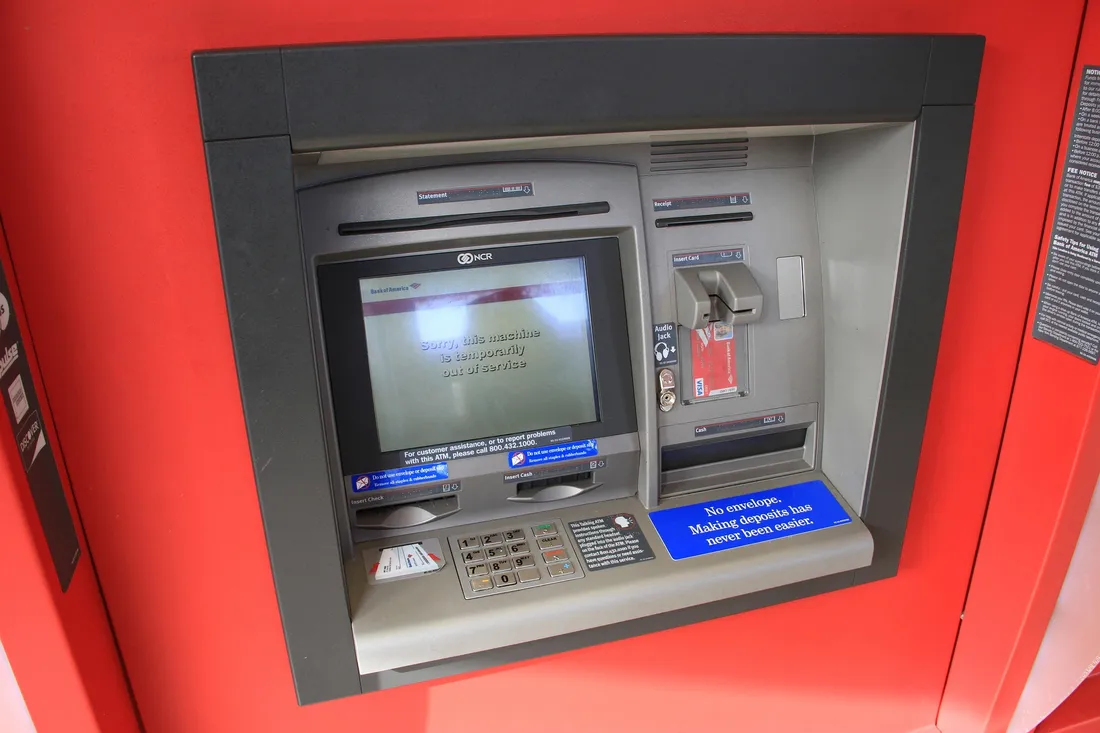
Bitcoin ATMs: none at the airport, so where’s the nearest?
Operator lists checked on 6 October 2026 show about 202 crypto ATMs across Hong Kong, but not one at the airport, in Tung Chung or anywhere on Lantau; the only island machine is on Cheung Chau. At COINHERO, the largest operator, purchases up to HK$100,000 per transaction need no registration. Above HK$100,000 you register with email, phone, HKID or passport, a selfie and a fingerprint. Buying costs 13% plus HK$100 (6.5% for registered members), the minimum is HK$500, and the first note you insert must be HK$1,000 or HK$500. That is far pricier than any platform, so treat ATMs as a small, one-off convenience.
These machines are the easiest to reach from the airport. Data comes from operator lists; “listed” doesn’t guarantee a machine is working on the day.
Only 8 ATMs in Hong Kong buy coins back for cash, all of them COINHERO, at 13% plus HK$25. For everywhere else, see the Bitcoin ATM map.
Walk-in crypto shops: possible, with care
Chungking Mansions in Tsim Sha Tsui and 608 Nathan Road in Mong Kok both host crypto shops, some of which take cash. One Satoshi, for example, has a branch at Shop 11, G/F, Chungking Mansions (MTR Tsim Sha Tsui, Exit E). Its website says trades up to HK$120,000 need no ID, while larger trades need an HKID or passport and possibly proof of address. Requirements vary widely between shops.
Visitors should know three things. Shops hold no virtual asset licence, so if something goes wrong the police are your only recourse. Since the Stablecoins Ordinance took effect, the government has said shops may not offer USDT or other stablecoins to the public. And cash handovers attract fraudsters and robbers: Hong Kong has seen hell-note payouts, customers locked inside fake shops, and large cash robberies in Sheung Wan. Read our scams guide and crypto shop guide first.
Cash at the border: declare anything over HK$120,000
Under the Physical Currency and Bearer Negotiable Instruments Ordinance (Cap. 629), in force since 16 July 2018, anyone carrying currency or bearer negotiable instruments (such as traveller’s cheques or promissory notes) worth more than HK$120,000 into or out of Hong Kong must declare it to Customs; consignments by cargo or post must be disclosed. The rule applies just as much to cash you got from selling crypto at an ATM or shop. Failing to declare, or declaring falsely, is a criminal offence, and Customs can seize the money.
For mainland visitors: compliance first, convenience second
Plenty of mainland visitors search for ways to swap for USDT or buy Bitcoin while in Hong Kong. We want to set out the rules on both sides clearly, not show anyone how to get around them.
Hong Kong’s rules
- Individuals may legally buy and hold crypto
- Licensed platforms and banks verify identity and mainly serve residents
- Walk-in shops may not offer USDT or other stablecoins to the public
- Cash over HK$120,000 must be declared at the border
Mainland rules
- Virtual currency trading services are illegal financial activity (PBoC notice, 2021)
- Bank accounts linked to crypto trading risk being frozen or investigated
- Separate foreign-exchange and cross-border fund rules apply; check and follow them
- Being legal in Hong Kong doesn’t mean there are no consequences at home
In practice, the trouble mainland visitors most often run into comes from P2P trades with strangers using a mainland bank card or payment app: the counterparty pays with scam proceeds and the mainland account gets frozen. The other is bringing a large amount of cash to a shop and becoming a target for fraud or robbery. Our advice is simple: don’t take on legal or personal risk you can’t afford for the sake of convenience, and if in doubt, consult professionals on both sides of the boundary.
For a short-stay visitor, the best way to buy crypto in Hong Kong is usually to set it up at home before you fly.
Verify with a platform that supports your country of residence, and Hong Kong just becomes another place to tap “buy”. ATMs and shops are fine for a small first try. When “large”, “cash” and “border” turn up in the same sentence, stop and rethink.
Before you travel: a checklist
- Check your home country’s rules
Including on using offshore crypto platforms, tax reporting and foreign exchange.
- Verify your account before you fly
International platforms onboard by country of residence; confirm yours isn’t on the unsupported list.
- Call your card issuer
Ask whether crypto purchases will be declined or treated as a cash advance, and what the foreign-currency fee is.
- Set up your own wallet
At an ATM or shop you need your own wallet address; never use one someone else gives you. See our wallet guide.
- Carry only the cash you need
Over HK$120,000 must be declared; never do large cash handovers on the street or in private flats.
For official guidance, see the cross-boundary cash section of the Customs and Excise Department website, or our Tung Chung and airport page for the nearest options after you land.
Frequently asked questions
Can tourists buy crypto in Hong Kong?
Yes. No Hong Kong law stops non-residents from buying or holding crypto. In practice, visitors mostly use Bitcoin ATMs, walk-in crypto shops, or international platforms that verify you with a passport. SFC-licensed platforms and bank apps are built mainly for residents and usually want Hong Kong address proof or a local bank account; whether a passport alone works must be checked platform by platform.
Do I need an HKID to open a crypto account?
It depends on the provider. International platforms verify you against your country of residence and passport, wherever you happen to be. Bank apps such as ZA Bank and Mox require an account with that Hong Kong bank first. Licensed exchanges each set their own requirements, and many ask for Hong Kong proof of address, so check the sign-up conditions before you try.
Is there a Bitcoin ATM at Hong Kong airport?
No. Operator lists checked on 6 October 2026 show no crypto ATM at the airport, in Tung Chung or anywhere on Lantau; the only island machine is on Cheung Chau. From the airport, the nearest are COINHERO machines in Tsing Yi and Kwai Fong, or the CoinUnit machine at Central Pier 7, a walk from the Airport Express’s Hong Kong station. See Tung Chung and the airport.
Do I have to declare cash from selling crypto at the border?
Yes, if it is over HK$120,000. Under the Physical Currency and Bearer Negotiable Instruments Ordinance (Cap. 629), anyone carrying currency or bearer negotiable instruments worth more than HK$120,000 into or out of Hong Kong must declare it to Customs. That includes cash from an ATM or shop sale. Failing to declare is an offence and Customs can seize the money.
What are the risks for mainland visitors buying USDT in Hong Kong?
Significant. Hong Kong’s walk-in crypto shops hold no virtual asset licence and are not permitted to offer stablecoins such as USDT under the Stablecoins Ordinance, and cash handovers have led to hell-note scams, fake shops and robberies. On top of that, crypto trading services are banned in mainland China, and mainland bank accounts linked to crypto trades risk being frozen. See our stablecoin rules guide.
Sources
- Customs and Excise Department — cross-boundary currency declarations · accessed Oct 2026
- Physical Currency and Bearer Negotiable Instruments Ordinance (Cap. 629) · in force 16 Jul 2018
- COINHERO — ATM locations and FAQ · 6 Oct 2026
- One Satoshi — stores and FAQ · 6 Oct 2026
- CEX.IO — unsupported countries and regions · 6 Oct 2026
- LCQ10: Stablecoins and OTC shops · 10 Sep 2025
Ready for your first coin?
Sign-up and the ID check take a few minutes. Then buy Bitcoin, Ether or USDT with Visa, Mastercard or Apple Pay.
It is not licensed by Hong Kong’s SFC, so local investor protection does not apply. For HKD and FPS deposits, use a licensed platform.